
SILK
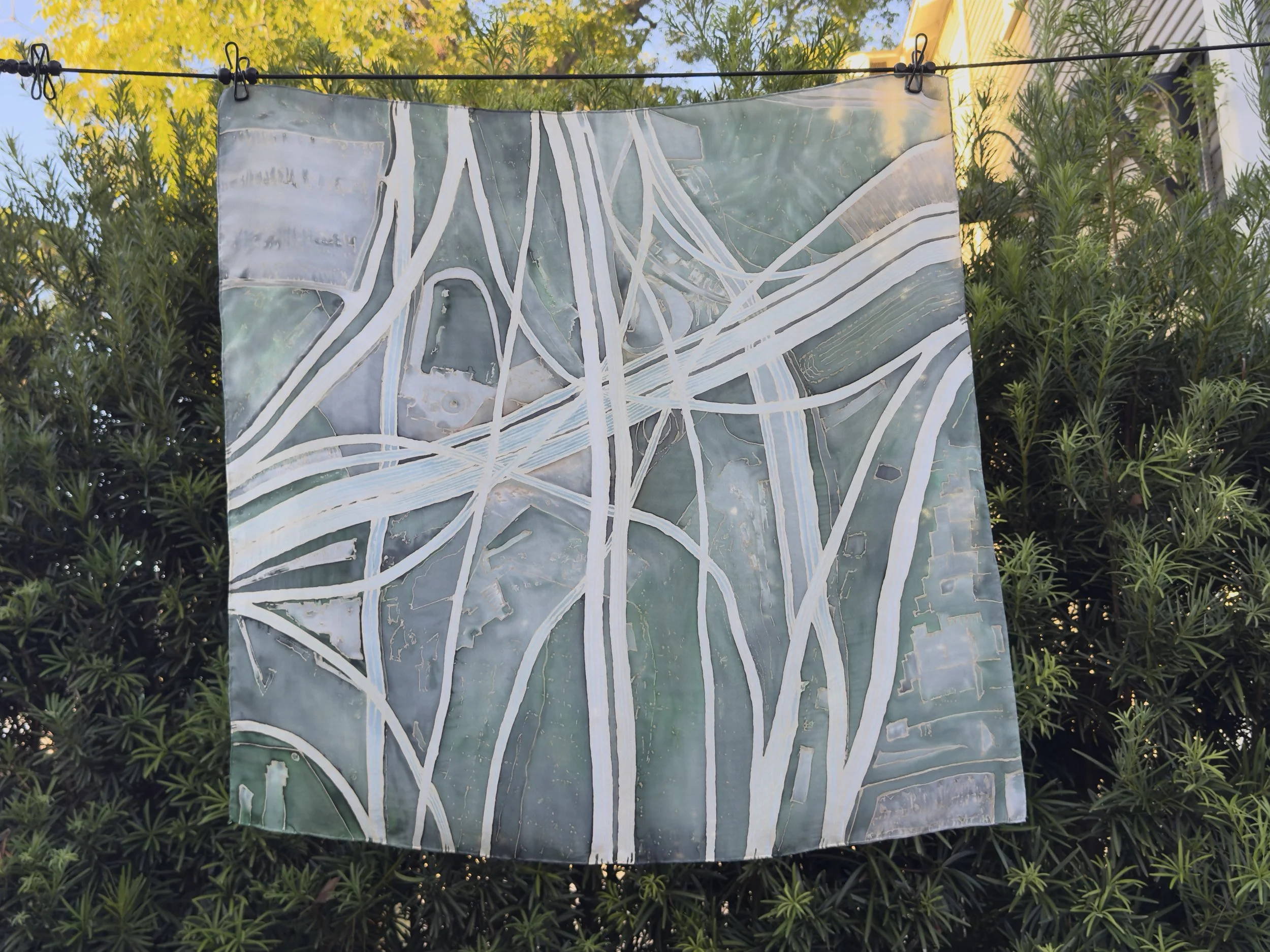
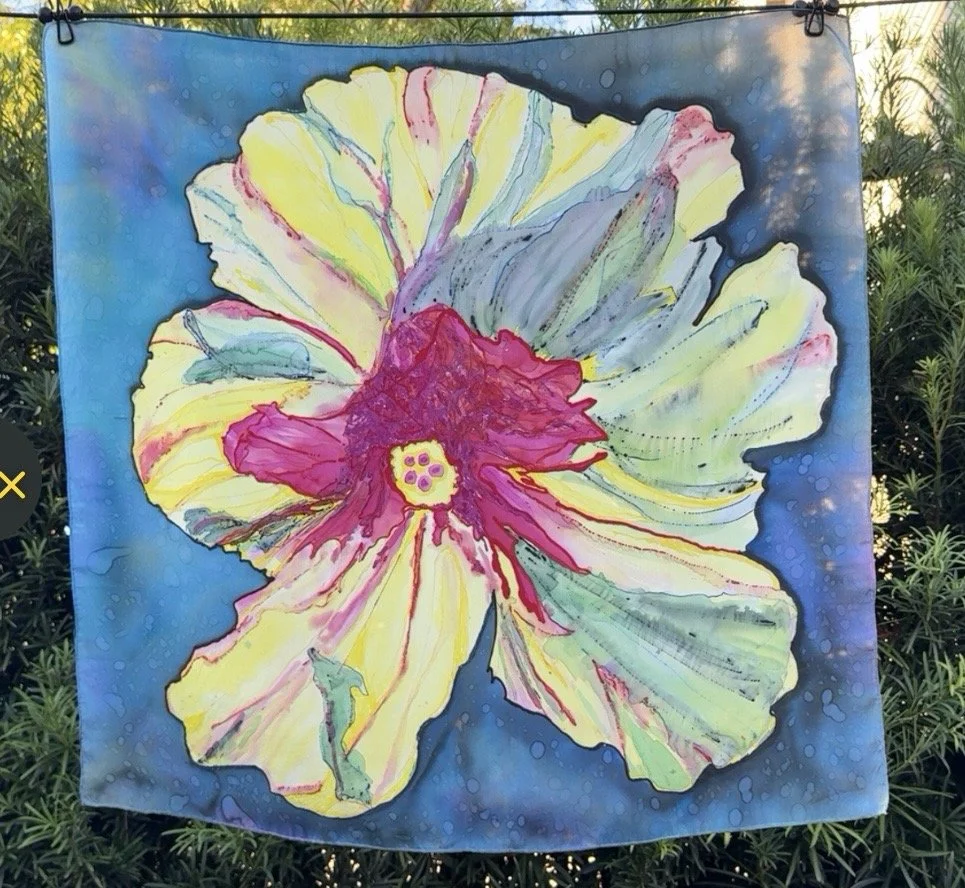
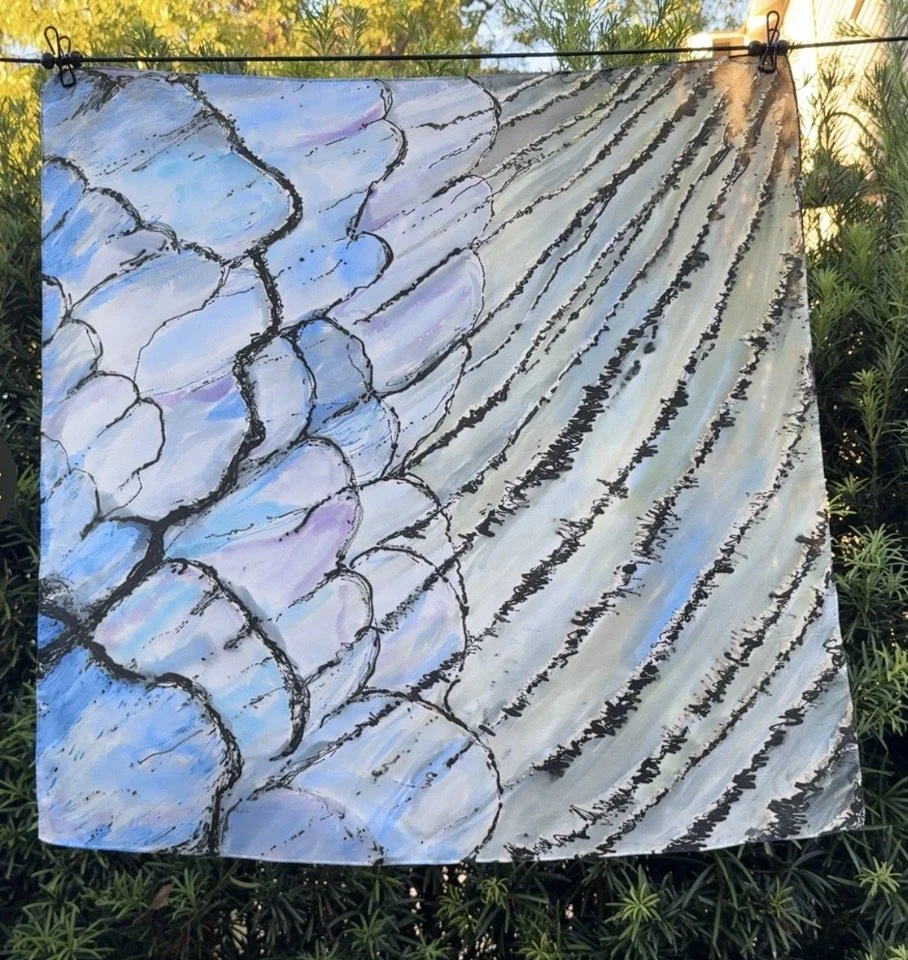
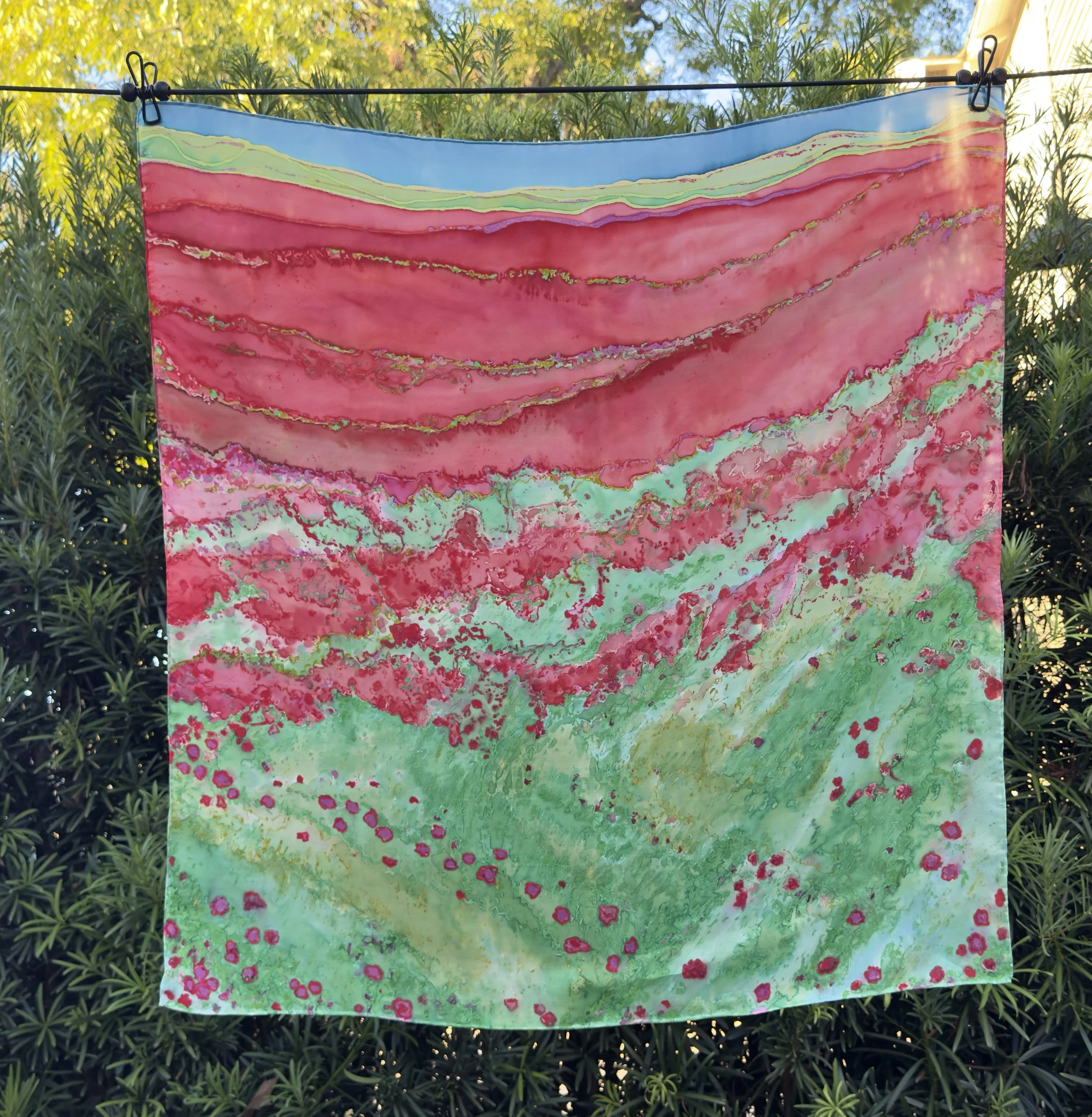
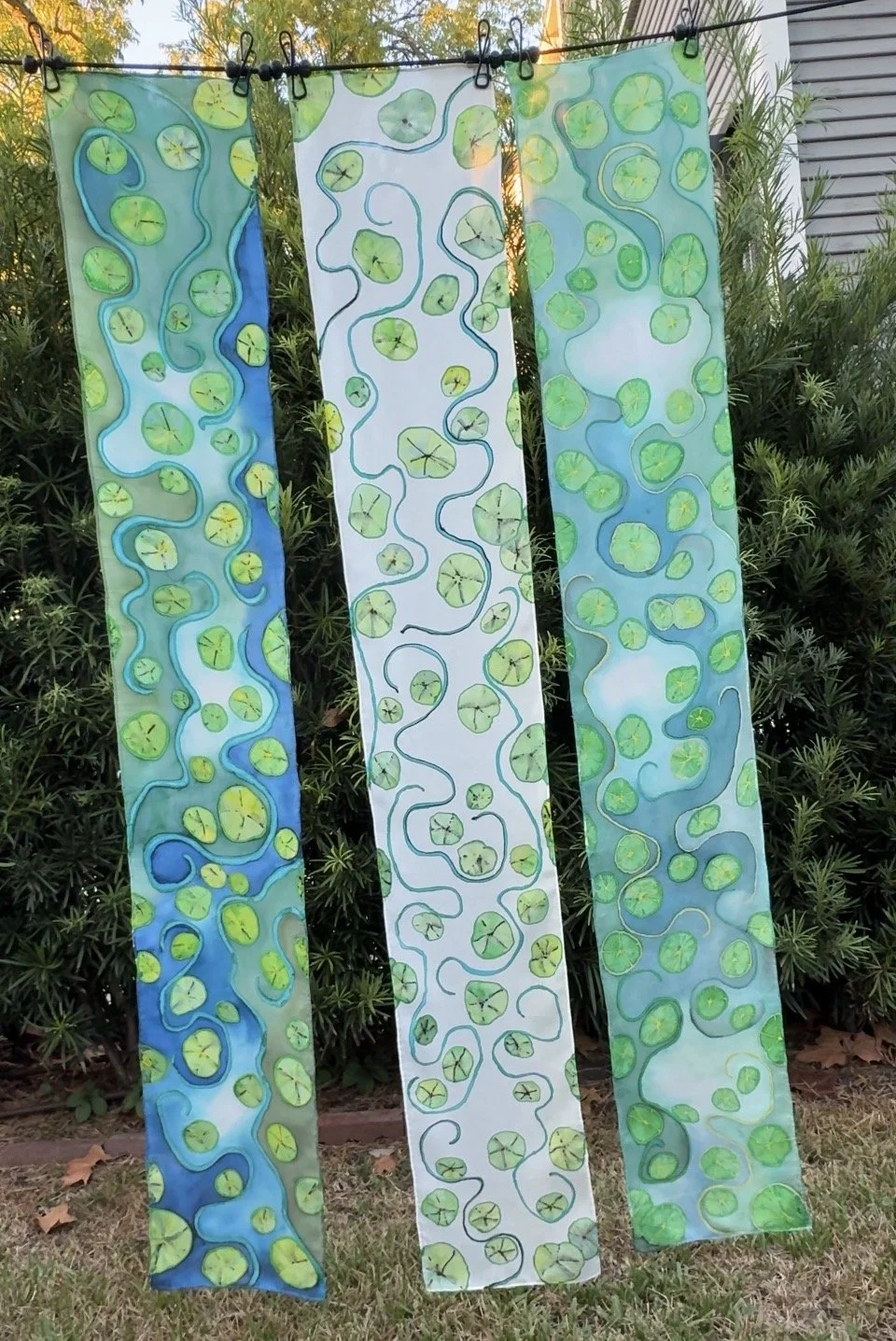
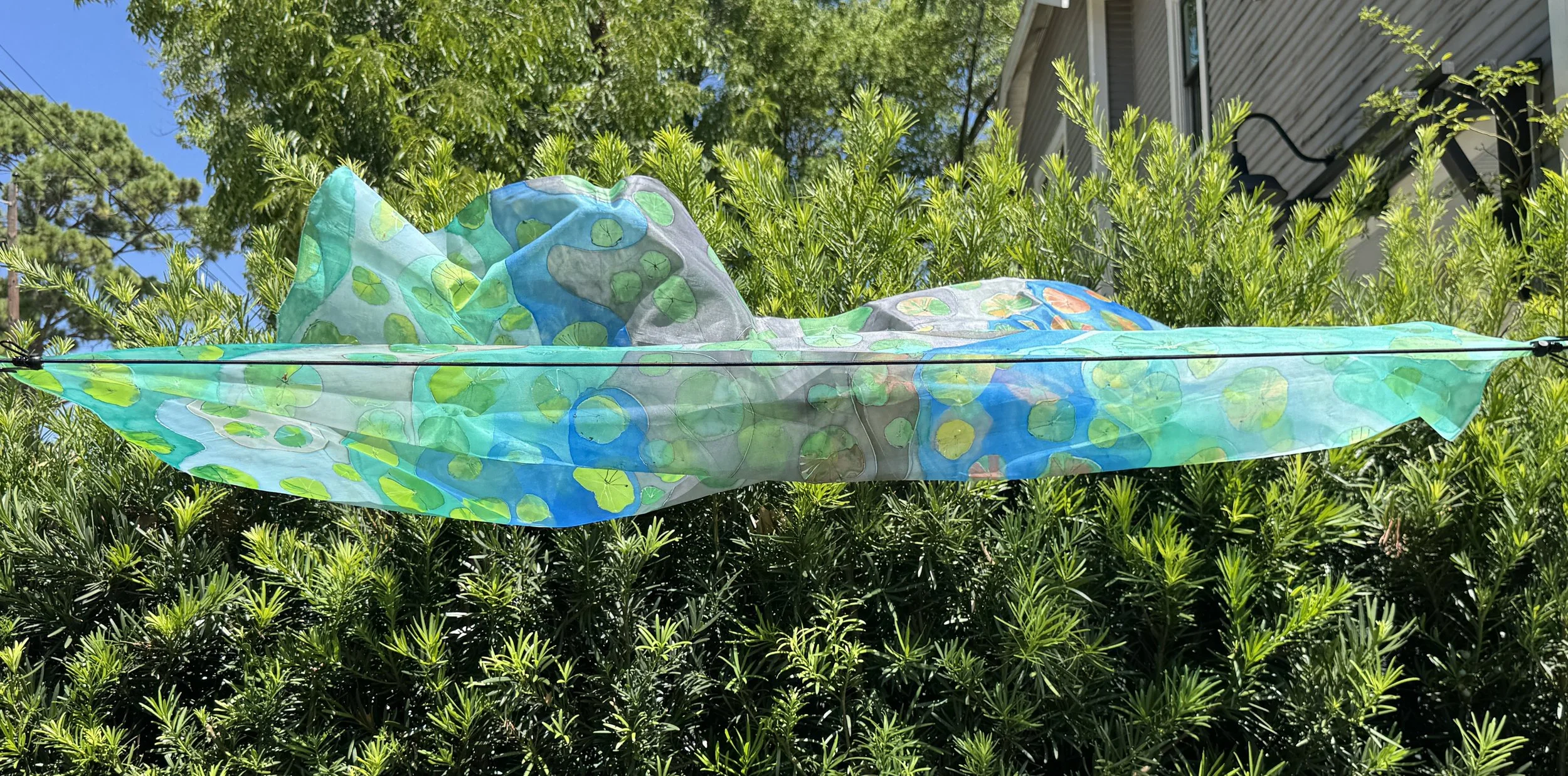
Each silk painting is a unique, one-of-a-kind, hand-painted work of art.
All paintings are on 100% pure silk. Though there are some similarities between painting with watercolor on paper, and painting with silk dye on silk, there are also new challenges. I tell people that when painting with watercolor, you must be prepared to embrace the “surprises”. Silk is that way too. The painting process I follow is labor intensive and takes several days to complete.
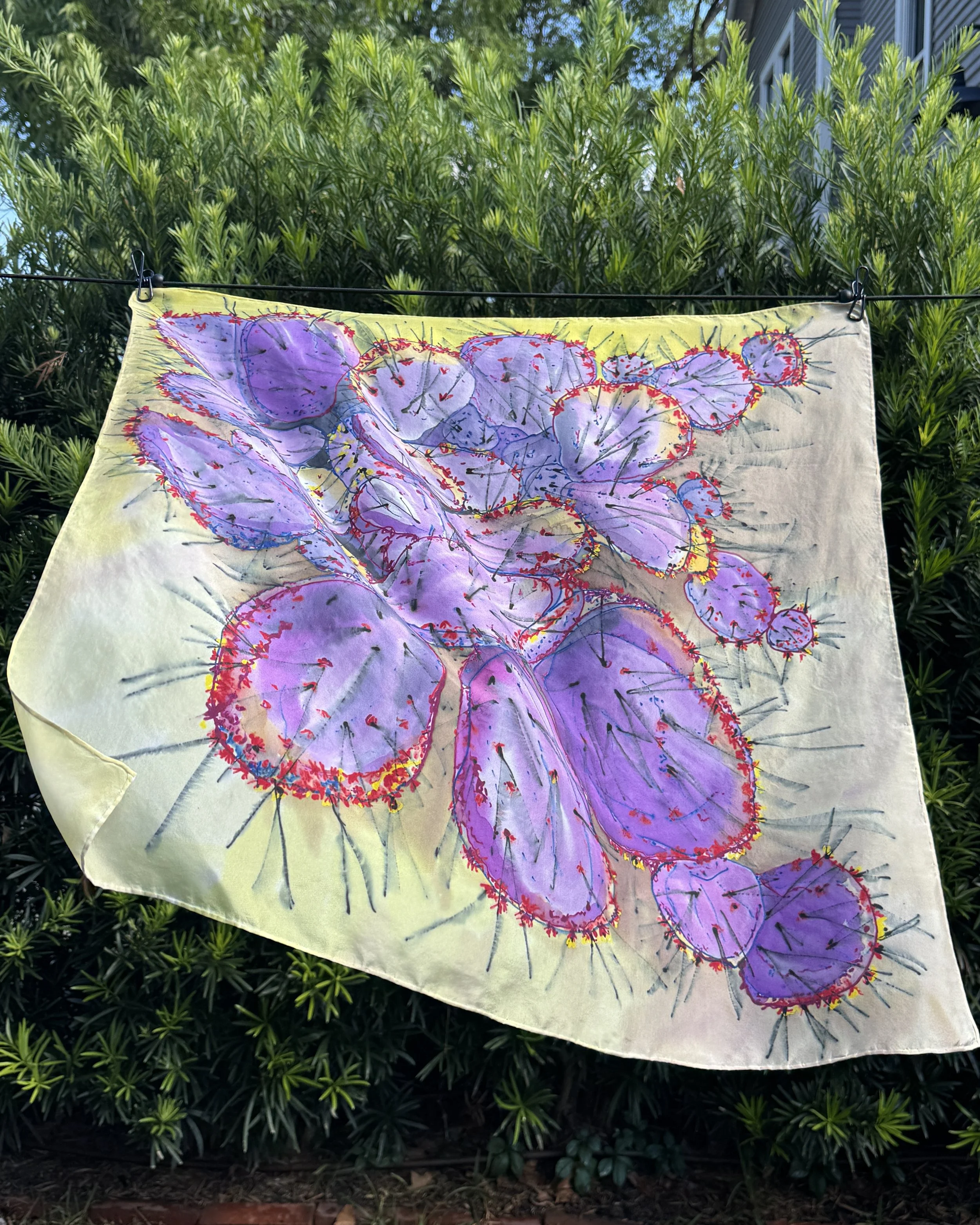
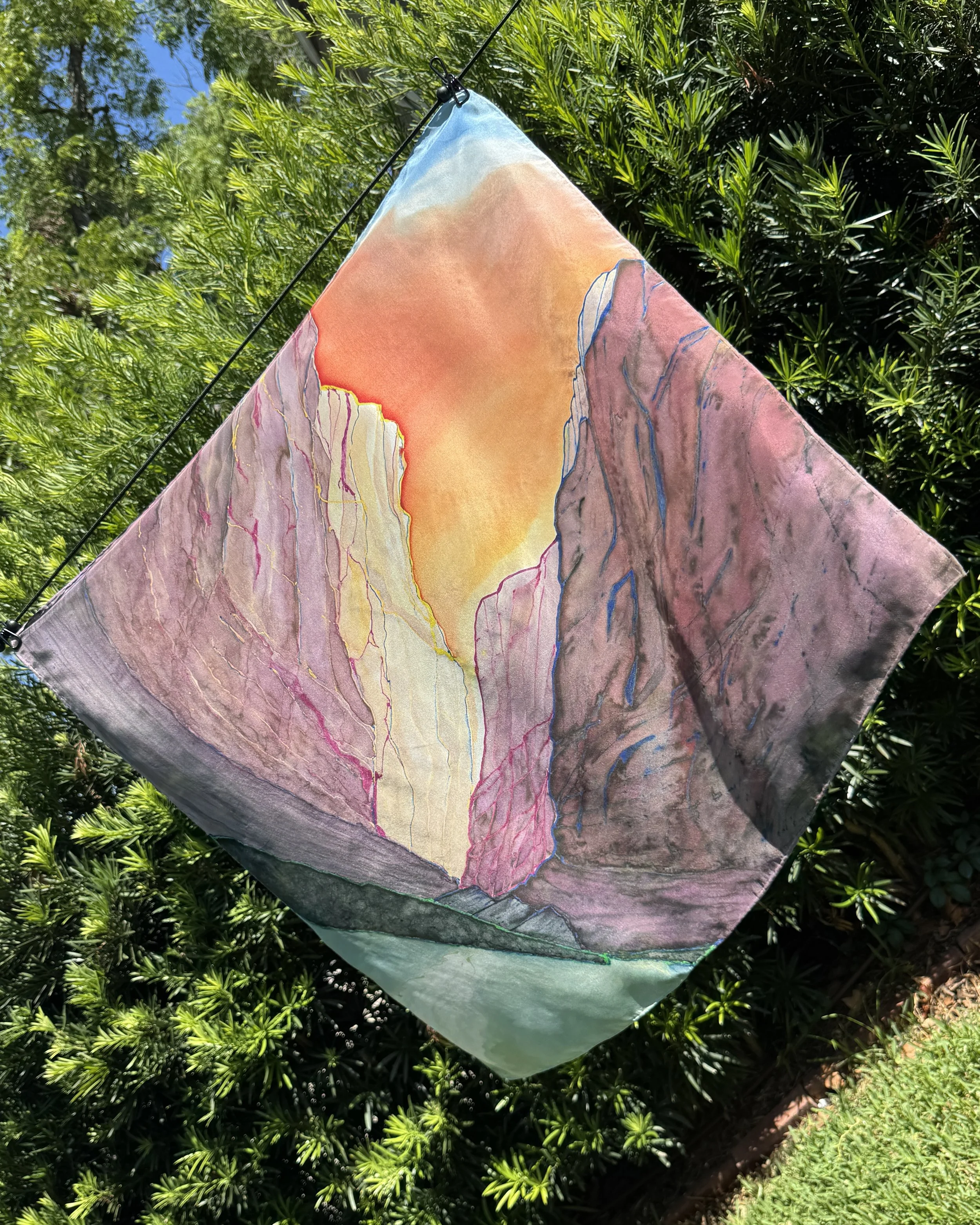
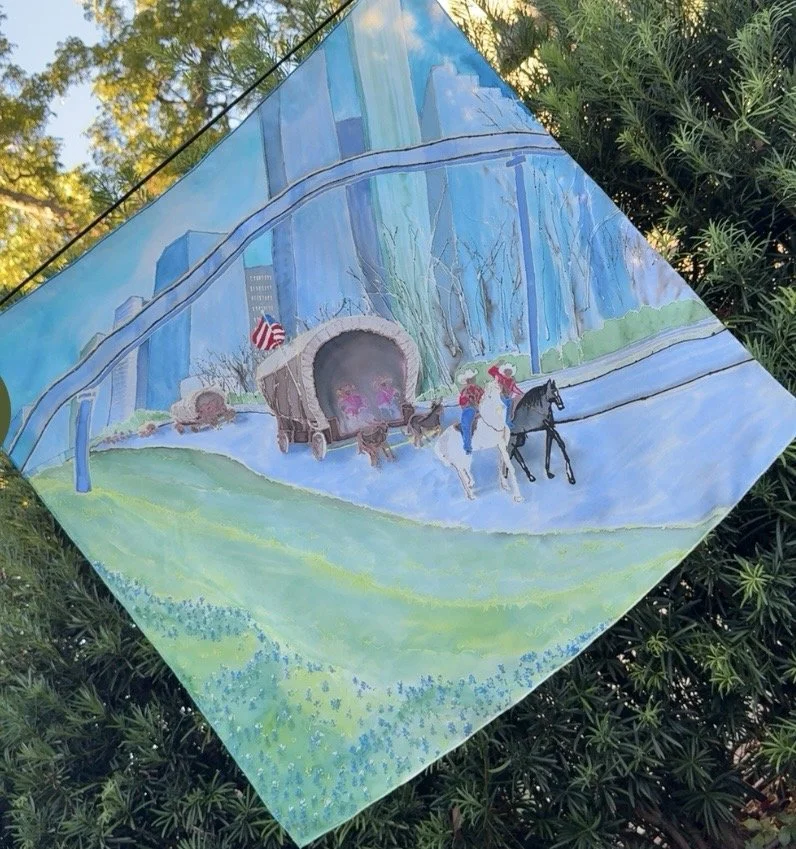
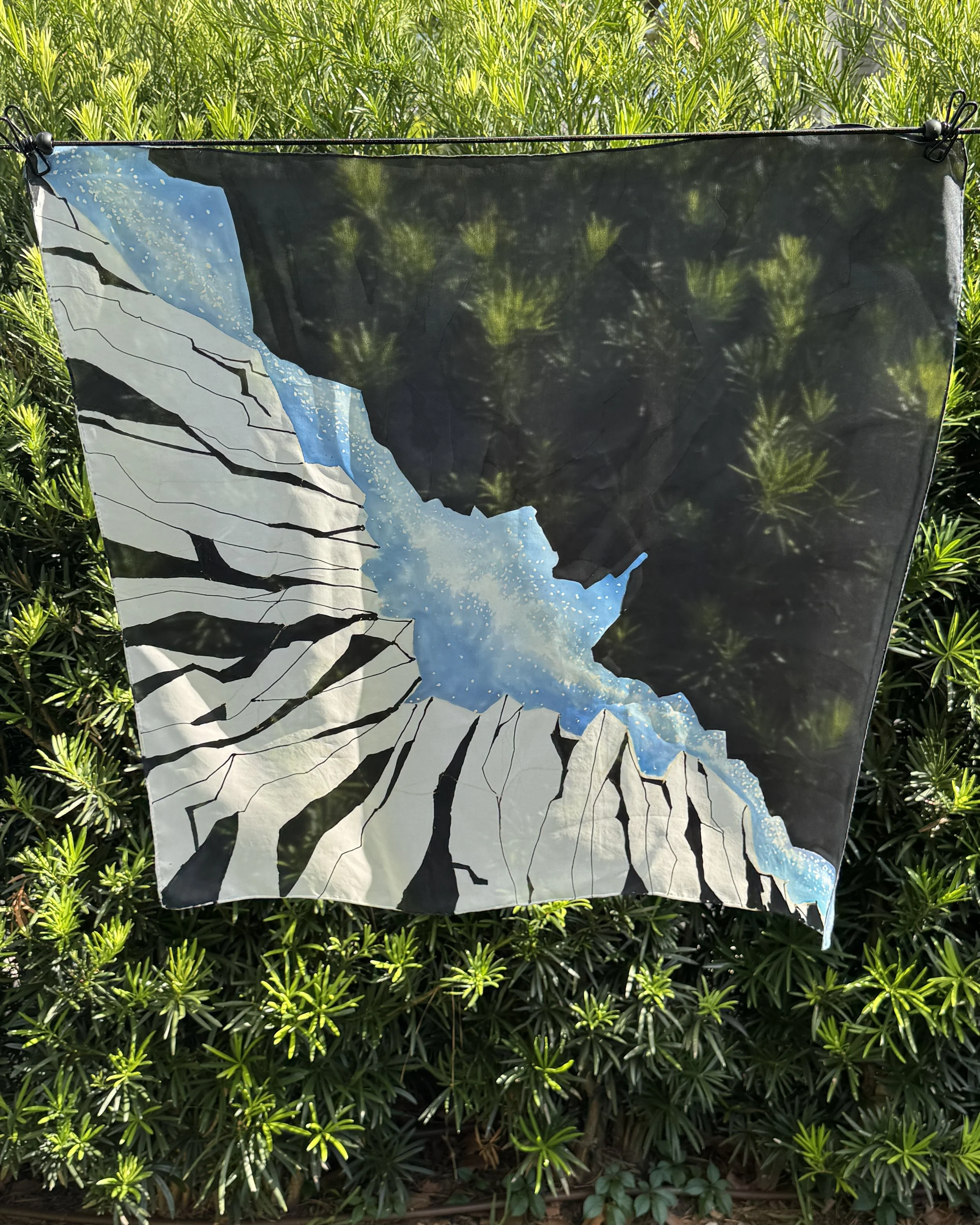

Artistic Process
1. Image Selection
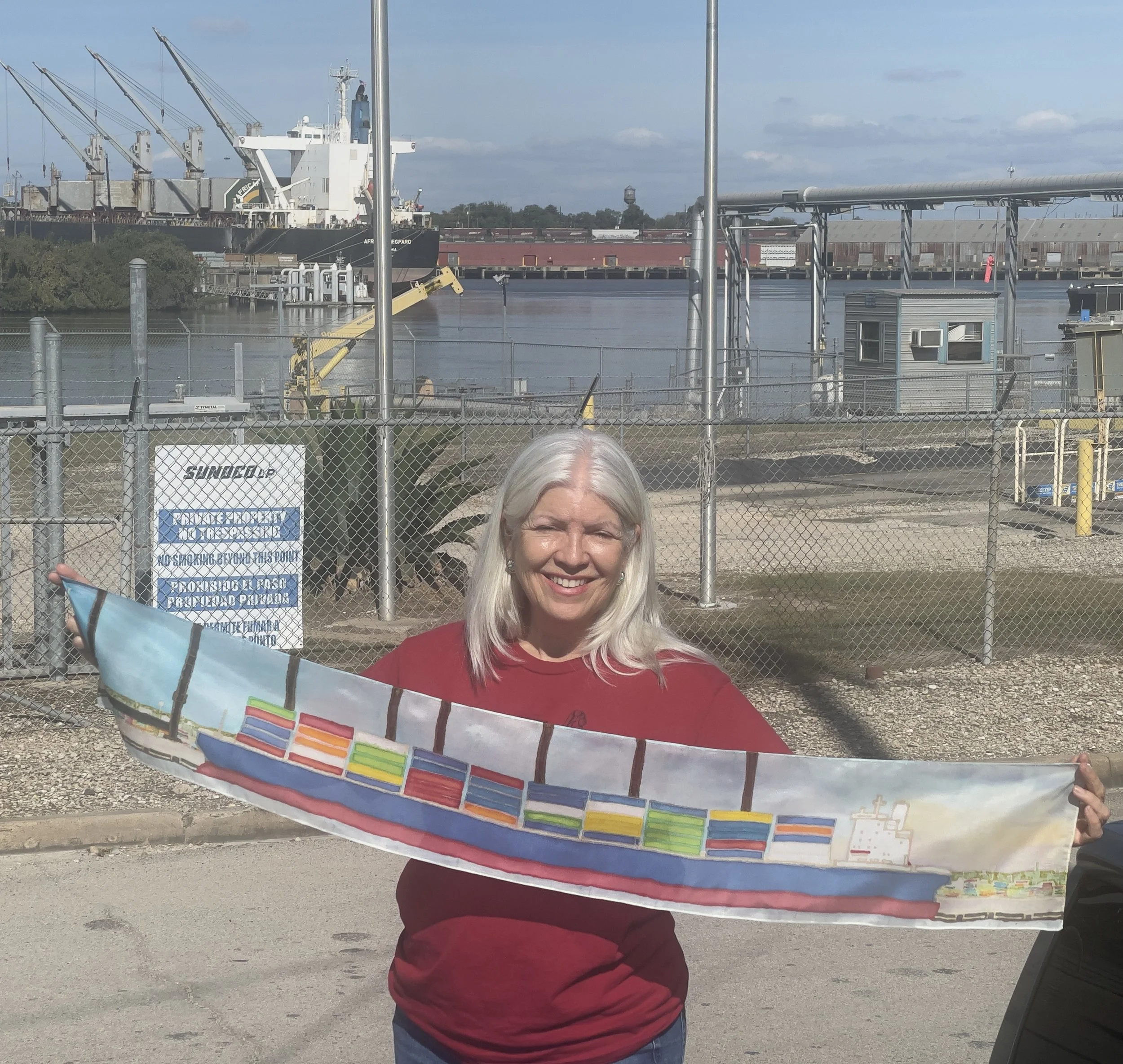
Most of the subjects I paint on silk are inspired by plein air watercolor paintings I painted outdoors. They are often Texas landscapes, or moments of life in Houston, or other interesting images that catch my imagination.
2. Preparing the Silk
After ironing and stretching the silk onto a wooden frame, I tint gutta with the colors of the silk dyes I will be using. Thin lines of gutta are applied on the silk with tiny applicator bottles. These resist lines help control the flow of silk dye during the painting process.
3. Painting the Silk
I blend colors of professional silk fabric dye and apply dye from light to dark on dry or wet silk, depending on how I want the colors to interact. Controlling the flow of water and dye across the silk is very much like painting with watercolors. The fabric must then dry for 24 to 48 hours before steaming the silk.
4. Steam to Set Colors
Each piece of silk must be placed between sheets of newsprint and steamed for 90 minutes to permanently bond the dyes to the silk fibers. This is followed by a series of water baths to remove excess dye and wash the fabric.
5. Finishing the Process
The silk is then towel dried and ironed on a low silk setting. The end result is soft and luxurious, with rich vibrant colors. The silk is now ready to be framed for display, or to become a signature statement piece in your wardrobe as wearable art.